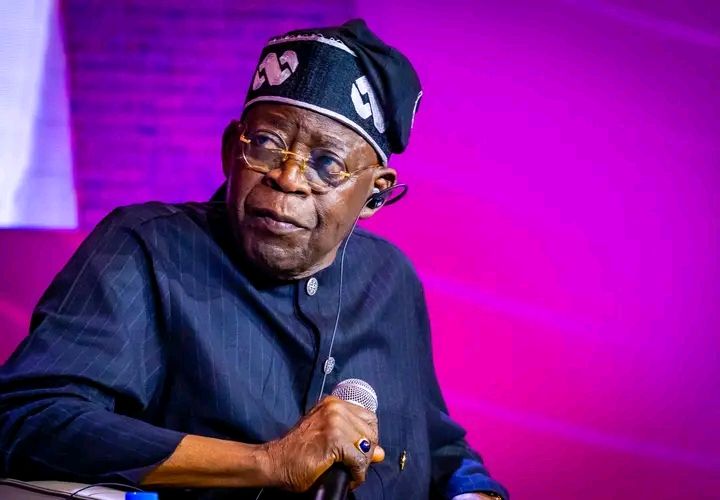
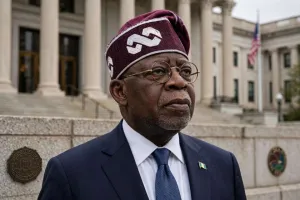
Punch Newspapers has published an analysis asking whether hard reforms need a second mandate to show full impact, focusing on President Bola Tinubu's Renewed Hope Agenda and Nigeria's economic direction since 2023.
The analysis, shared on Punch's verified Facebook page, has sparked reactions online as Nigerians debate the cost of living, subsidy removal and infrastructure spending. According to the paper, the full analysis details how reforms are being implemented across sectors.
President Tinubu's Renewed Hope Agenda was pledged to tackle economic instability, improve security nationwide, reduce corruption, reform governance and lift people out of poverty through job creation and social investment.
Tinubu's Renewed Hope Agenda Under Review
The Renewed Hope Agenda is President Tinubu's central policy framework since taking office in May 2023. It is built on eight priority areas including economic reform, national security, agriculture to ensure food security, infrastructure development, energy, education, healthcare and improved governance for effective service delivery.
Key reforms under the agenda include fuel subsidy removal, foreign exchange unification, student loan scheme NELFUND, Renewed Hope Housing, and major road projects such as Lagos-Calabar Coastal Highway and Sokoto-Badagry Highway.
The administration has argued that the only alternative to its reforms was a fiscal crisis that would have led to runaway inflation and economic collapse, noting that subsidy was consuming over 90% of revenue. It says it has stabilised the economy and is now better positioned for growth with increased FAAC allocations to states.
Do Reforms Need Continuity Beyond 2027?
The key question raised by Punch is whether the current reforms require continuity beyond 2027 to deliver results, given that structural reforms often take years to translate to household benefits.
Supporters of the administration have argued that a second term is crucial to consolidating the gains of the Renewed Hope Agenda. Speaker of Lagos Assembly Mudashiru Obasa and other APC stakeholders have said Tinubu's second term is key to sustaining the agenda, citing long-term projects that span beyond one term.
Political analysts note that major infrastructure projects and fiscal reforms globally often need 5-8 years to mature. For example, subsidy removal savings are now funding roads and student loans, but completion timelines extend to 2028-2030.
Public Reaction and What Nigerians Say
Nigerians remain divided on the impact of the reforms. While the government points to increased revenue, reduced debt service ratio from 96% to about 65%, and infrastructure investment, many citizens say they are yet to feel the benefits at household level as cost of living remains high and food inflation persists.
Small business owners in markets like Jos Terminus say electricity and fuel costs still affect profits, while civil servants welcome the new minimum wage but say purchasing power is still low. Youths point to NELFUND as positive but want more jobs.
The analysis comes as political discussions ahead of 2027 intensify. Many analysts believe the next 12 months will determine how Nigerians judge the Renewed Hope Agenda before the campaign season begins in late 2026.
Balanced View: Punch's question — do hard reforms need a second mandate — is a standard governance debate, not endorsement. Every administration from Obasanjo's banking reform to Buhari's infrastructure push faced same question. What matters for voters is measurable impact: lower food prices, security in Bokkos and Benue, and jobs. That will decide 2027, not just reform theory.
Renewed Hope - 8 Priority Areas
Focus areas: Economy, Security, Agriculture, Infrastructure, Energy, Education, Health, Governance
Major policies: Subsidy removal, FX reform, NELFUND, Housing Scheme, Coastal Highway
Debate: Whether gains need continuity to reach households




No comments yet. Be the first to comment!